How To Find Relief From Sciatica
Frank’s pain was the worst he’d ever felt. It started in his lower back but then radiated down the back of his leg all the way to his toes. Sometimes, he felt numbness or tingling in his leg, which he found especially concerning. But worst of all, this radiating pain made it almost impossible for him to get around.
Eventually, Frank visited his physical therapist, where he learned this pain had a specific term: sciatica. Its name comes from the fact that it affects the sciatic nerve, which runs from the lower back down into the foot.
Frank also learned that his sciatica, like most people’s, came courtesy of a herniated disc in his lumbar spine. Fortunately, physical therapy is a frontline treatment for herniated discs, and with a month of regular PT sessions, Frank resolved his pain.
Are you experiencing radiating leg pain like Frank? If so, reach out to us at The Center of Medical Arts. We can help you know for certain if your pain is sciatica or another similar condition — and we can help you find relief with a customized treatment plan.
Call today to schedule your initial consultation!

Free Knee Injury Prevention Lecture
Knee pain and injuries can sneak up on you, especially as you stay active through the summer. Join us for an educational lecture where our team will teach you how to protect your joints, move with confidence, and avoid setbacks before they start.
You’ll walk away with simple, effective strategies you can use right away to stay strong, active, and pain-free. 🦵
📍 1268 Main St #102 Newington, CT 06111
Save Your Spot
Patient Success
“I absolutely love the Pilates classes and physical therapy sessions here at CMA. The staff, such as Curtis, consistently delivers world class customer and client services. I have experienced how Pilates coordinates the mind and body. My core consistently strengthens, comparing to when I first started. I am recommending CMA to everyone. Also, great location, great parking. Enjoy!”
– Erica

Staff Spotlight: Ross Ashley
Providing wellness support, Ross is a licensed massage therapist and certified personal trainer specializing in corrective exercise and nutrition.
Combining his hands-on therapeutic care with personalized fitness and wellness strategies, he helps clients reduce pain, improve mobility, and create sustainable habits that support long-term health and well-being.
Outside of his work helping others, Ross enjoys practicing yoga, spending time outdoors, and continuing his education in holistic wellness and mindful movement.
What Is Sciatica? Symptoms and Causes
Sciatica is a somewhat misunderstood condition. Many people refer to any radiating pain in the back and legs as “sciatica.” In reality, sciatica only refers to pain that stems from pressure or irritation on the sciatic nerve.
Sciatica’s main symptom is pain that starts in the lower back, radiates into the buttocks, and then runs down the back of one leg into the foot, following the path of the affected sciatic nerve. Often, the leg pain will be worse than the back pain.
However, other symptoms often indicate sciatica, including the following:
- Muscle spasms in the back
- “Pins and needles” sensations in the leg and/or foot
- Numbness in the leg and/or foot
- Shooting or burning pain deep in the buttocks or legs
- Weakness in the affected leg
Sciatica occurs when the sciatic nerve is pinched, compressed, or irritated in some way. But what causes that nerve irritation in the first place?
For most people, as it was for Frank, the answer is a herniated disc. Your spinal vertebrae are cushioned and protected by flexible cartilage discs (spinal discs). If one of these discs bulges or ruptures so that it irritates or pinches the sciatic nerve, you’ll experience sciatica pain.
Other medical issues (such as a bone spur, inflammation related to pregnancy, or a tumor) can also cause sciatica, but these conditions are much rarer. If you have sciatica, the chances are good you have a herniated disc, and that’s something physical therapy can help resolve!

How Physical Therapy Can Help With Sciatic Pain
When treating a herniated disc (and, by extension, sciatica), our therapists will move through the following steps:
- Manage Pain: We’ll develop a plan to address your acute pain, pulling from several options. Gentle spinal mobilizations, soft tissue manipulation of your back muscles, and pain-relieving modalities such as TENS or hot and cold therapy can all help.
- Improve Mobility: Movement is crucial in addressing sciatica. Spinal mobilizations play an essential role here, allowing you to move the joint without exerting effort. We’ll also incorporate active stretches and mobility work to help ease range of motion restrictions and prepare your body for the next phase of treatment.
- Strengthen Your Back and Core: As your pain lessens, we’ll begin working to build strength in your core muscles, which stabilize and support your spine. By strengthening these muscles, you can alleviate the pressure on your lumbar spine that contributes to sciatic pain and a herniated disc.
- Educate to Prevent Future Pain: Finally, we can provide the tools to prevent a future bout of sciatica. We might help you develop a home exercise program to keep your spine healthy or show you how to properly lift heavy objects to avoid injury.
Find Sciatica Relief at The Center of Medical Arts
Sciatic pain can be incredibly intense and often debilitating. Regular physical therapy will help you resolve that pain — and the underlying cause — so you can get back to living a full, healthy life. To get started with your own personalized sciatica treatment plan, call to schedule an appointment today!

Recovery Compression Therapy
Experience advanced sequential compression therapy designed to gently improve circulation, reduce heaviness and fatigue, and support faster muscle recovery after workouts, long shifts, or surgery.
Perfect for athletes, active adults, post-surgical recovery, or anyone looking to feel lighter, energized, and refreshed.
- Single Session — $30
- 5-Pack — $125
- 10-Pack — $220
- Add-On to Therapy Visit — $20
Monthly Recovery Membership
$99/month • Includes 4 sessions, priority scheduling, and discounted add-ons.
Want To Ease Sciatic Pain? Get Moving!
While regular physical therapy at The Center of Medical Arts is the best way to resolve your sciatica, several simple at-home exercises can help resolve your pain as you work through your treatment plan.
Our physical therapists will usually provide you with a personalized routine for your PT “homework.” The following are common exercises we might suggest and may help relieve pain between sessions. But make sure to check with your therapist before giving them a try!
Simple Exercises to Ease Sciatic Pain
Supine Piriformis Stretch
- Lie on your back with your knees bent, pointed toward the ceiling.
- Rest the ankle of your affected leg against your other thigh, forming a “four” shape with your legs.
- Gently pull your crossed leg sideways across your body until you feel the stretch in your affected glute.
- Hold for 10-30 seconds and repeat on the other side if you wish!
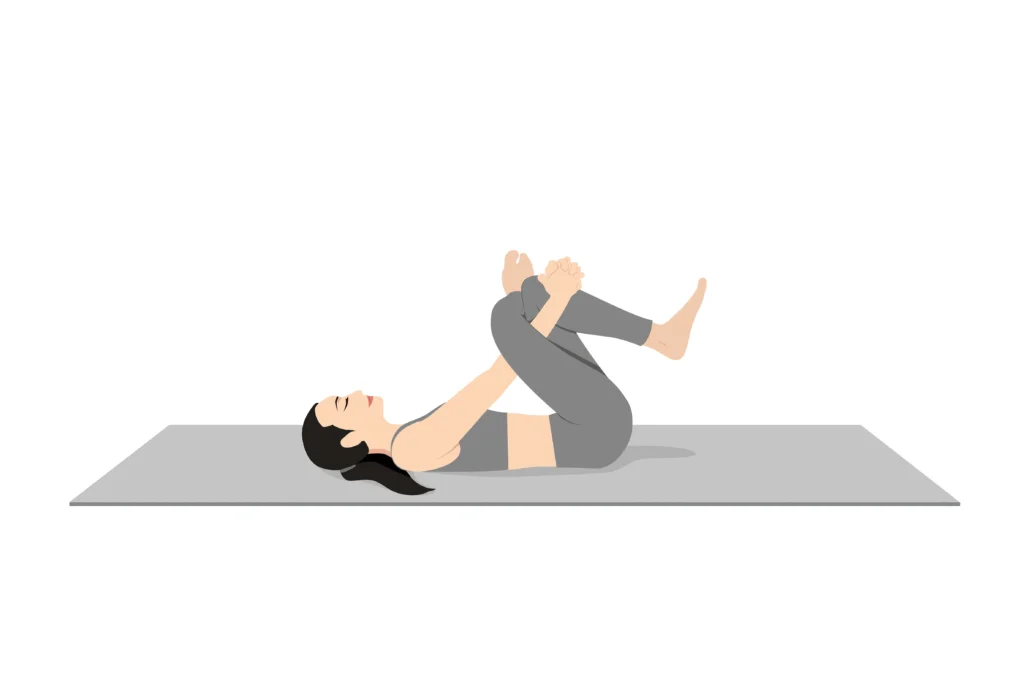
Clamshell
- Lie on one side with your knees slightly bent and your head resting on your bottom arm. You can press your top arm into the ground in front of you for support.
- Engage your core to help with stability.
- Keeping the feet together, gently lift your top knee so that your bent legs resemble the open mouth of a clam.
- Keep your torso still so you don’t roll backward.
- Hold for 5-10 seconds, then lower slowly. Complete as many clamshells as you’d like, but don’t forget to roll over and do the other side, too!
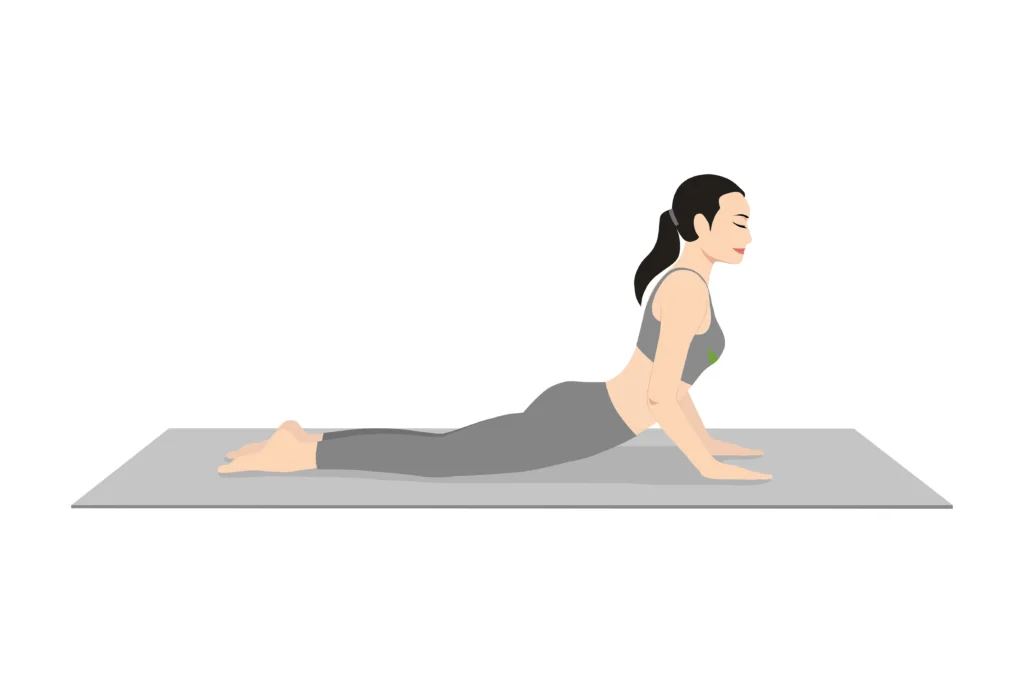
Cobra Stretch
- Lie down on your stomach with your hands on the floor in line with your shoulders and your elbows tucked into your body.
- Inhale and press into your palms to lift your head, chest, and shoulders off the ground. Don’t fully straighten your arms; make sure your chest stays lifted.
- Tighten your core muscles as you hold the stretch for 10-30 seconds.
- Gently lower back to the ground and repeat as needed.
Exercise Tip of the Month
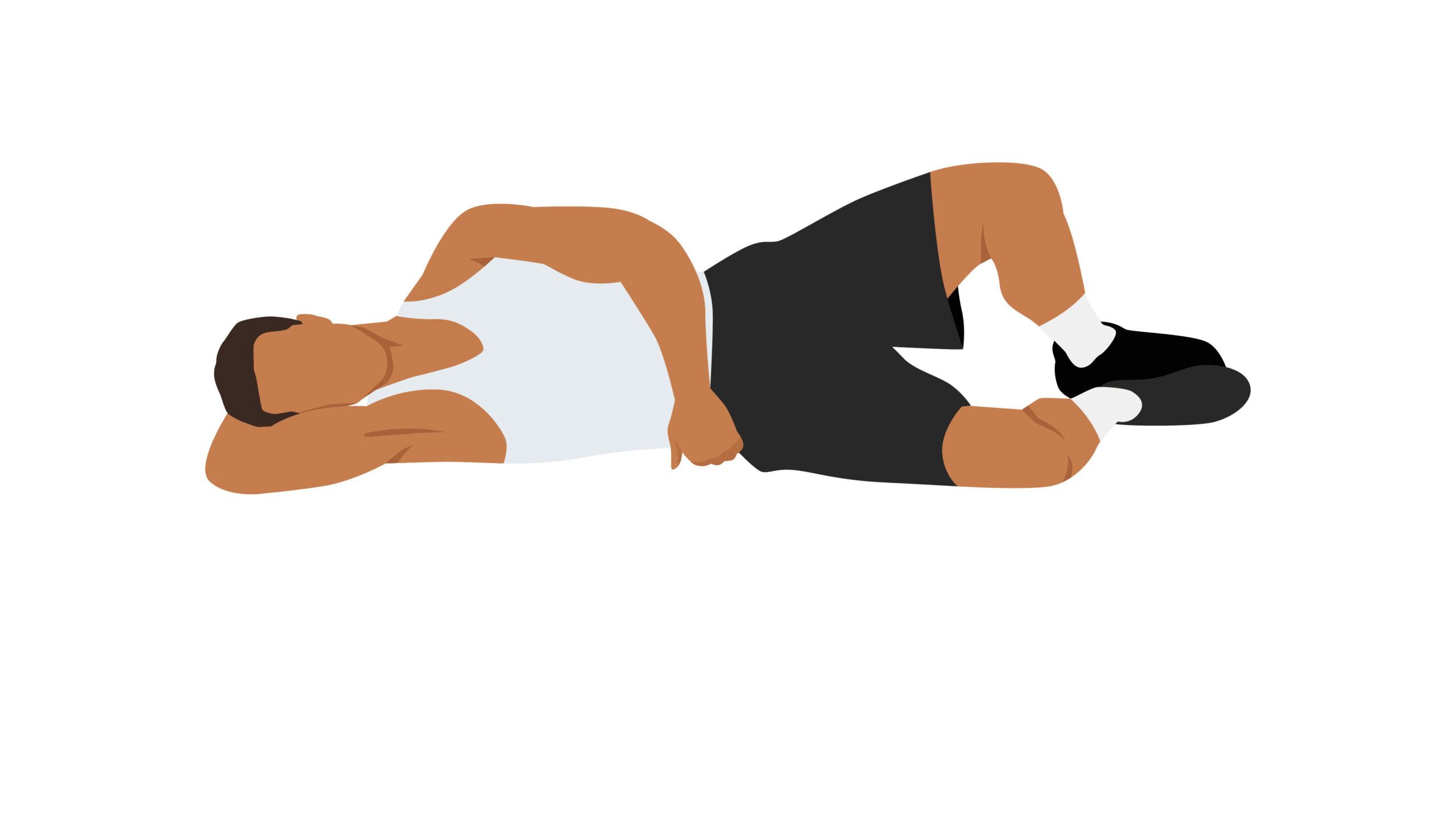
Double Knees to Chest
Exercise Tracker
Maximizing Summer Fitness: Tips from The Center of Medical Arts
Getting active during the summer can be both fun and challenging, but by following our physical therapist’s tips, you can make the most of this season.
- Get an Assessment: Consider a comprehensive assessment by one of our skilled therapists to identify any underlying issues or areas of concern. This will help you tailor an exercise plan that suits your specific needs while minimizing the risk of injuries.
- Warm-up and Cool Down: Remember to do proper warm-ups and cool-downs for every activity. One of our The Center of Medical Arts experts can guide you through dynamic stretching routines that prepare your muscles for exercise and help prevent strains.
- Stay Hydrated: Hydration is essential for your health and well-being, and your therapist can recommend simple strategies to ensure you get enough fluids to keep you energized and prevent heat-related issues.
- Trust Your Body: Listen to your body, never ignore or push through pain. If you experience pain or discomfort, consult your physical therapist promptly to address any potential concerns.
With these expert tips, you can enjoy an active and injury-free summer!

We Value Your Feedback!
If you’ve had a recent visit at The Center of Medical Arts, we’d love to hear about your experience. Your review helps us continue providing high-quality care and assists others in making informed healthcare decisions. Whether it’s a kind word about our staff, your treatment, or suggestions for improvement, your voice matters to us.

Anti-Inflammatory Quinoa Salad
Nutrition plays a key role in managing inflammation, which can contribute to joint and back pain. Try this delicious, spine-friendly recipe packed with anti-inflammatory ingredients!
Ingredients
- 1 cup dry quinoa, rinsed
- 2 cups water or vegetable broth
- 1 cup cherry tomatoes, halved
- 1 cucumber, diced
- 1/4 cup red onion, finely chopped
- 1/4 cup fresh parsley, chopped
- 1/4 cup olive oil (rich in Omega-3s )
- 2 tbsp fresh lemon juice
- 1 tsp turmeric (powerful anti-inflammatory)
- Salt and black pepper to taste
Instructions
- Bring water or broth to a boil. Add quinoa, reduce heat, cover, and simmer for 15 minutes or until water is absorbed.
- Remove from heat, let sit covered for 5 minutes. Fluff with a fork and let cool.
- In a large bowl, combine cooled quinoa, tomatoes, cucumber, red onion, and parsley.
- Whisk together olive oil, lemon juice, turmeric, salt, and pepper.
- Pour dressing over the salad, toss well, and chill for 30 minutes before serving.