Do You Have Difficulty Walking Due to Balance/Gait Issues?
For Elizabeth, a vibrant 72-year-old retired teacher, life had always been about embracing every moment. She relished spending her days tending to her garden, meeting friends for tea, and sharing stories with her grandchildren. Yet, over time, something began to change, something she couldn’t quite grasp.
It started subtly. Elizabeth noticed that her once-steady gait had become somewhat unsteady. Her confident stride had given way to tentative steps. Each morning, as she rose from her bed, she couldn’t ignore the peculiar feeling of imbalance that now seemed to accompany her every move. With a touch of anxiety creeping in, Elizabeth began to modify her daily routine. She avoided taking long walks, opting for shorter strolls instead. The thought of climbing stairs made her apprehensive, and she held onto handrails with an iron grip. One sunny afternoon, over tea with a close friend, Elizabeth finally confided her concerns. Her friend gently suggested that Elizabeth consider seeking physical therapy to help address her balance and gait issues.
Hesitant but determined, Elizabeth decided to take the leap. She scheduled an appointment at The Center of Medical Arts to assess her condition and hopefully find a way to regain her confidence and mobility.
Patient Sucess
“Muna and her staff are absolutely amazing. Words cannot express how grateful I am for their kindness, compassion and expertise for the care they provide me. I look forward to seeing them weekly, they have now become my extended family” – Susan B.
The First Step: A Comprehensive Evaluation
Elizabeth met with one of our skilled physical therapists with a lot of experience helping individuals like her on the day of her appointment. To begin, her therapist conducted a thorough evaluation, including questions about her medications, vision, and any other health concerns that could impact her stability.
Next, she performed a physical exam that included the following tests:
- Range of motion: The physical therapist assessed her range of motion in the joints of the lower extremities.
- Muscle strength: The therapist also tested her muscle strength in the lower extremities and core.
- Observation: Her physical therapist observed Elizabeth’s walking pattern and looked for abnormalities in her walking.
- Footwear: Finally, her footwear was evaluated to ensure it was appropriate for her daily routine and recreational activities.
As they reviewed the assessment results, her therapist explained that Elizabeth’s gait had patterns that were likely contributing to her feelings of instability and fear of falling. Fortunately, she also reassured her that they could work together to address these issues and help her regain her confidence.
Next Up: A Fall Risk Assessment
Her therapist also performed a fall risk assessment to get a complete picture. She asked Elizabeth more questions about her daily life, including specific questions about her home environment.
They discussed several measures to reduce obstacles at home that increase fall risks. Here are some common recommendations:
- Remove boxes, newspapers, electrical cords, and any other trip hazards from walkways.
- Move coffee tables, magazine racks, and plant stands from high-traffic areas.
- Secure loose rugs with a slip-resistant backing — or remove loose rugs from the home.
- Place non-skid mats, strips, or carpets on all surfaces that may get wet.
Her therapist then guided Elizabeth through a series of balance tests to identify specific areas of weakness or instability. These tests helped pinpoint the root causes of Elizabeth’s balance issues.
The Path to Recovery: Personalized Treatment Plan
With a comprehensive understanding of Elizabeth’s condition, her physical therapists designed a treatment plan tailored to her needs. The plan included a combination of mobility work, strengthening exercises, balance and coordination training, and gait activities. As the weeks passed, Elizabeth noticed a remarkable transformation. Her unsteady steps began to regain their steadiness. She grew more confident with each session, and the fear of falling slowly ebbed away. She practiced walking on different surfaces and navigating obstacles under her therapist’s watchful eye, gradually rebuilding her trust in her abilities.
Regaining Confidence: Progress and Results
Elizabeth’s story is a powerful reminder that balance and gait issues can affect anyone, even without a specific injury or medical condition. Seeking the expertise of one of our skilled physical therapists can make all the difference in regaining confidence, improving mobility, and embracing life to the fullest. If you or a loved one is struggling with balance and gait issues, don’t let the fear of falling hold you back. Reach out to The Center of Medical Arts today, and take the first step towards a safer, more stable future!
Understanding Fall Risks
As we go through life, staying safe is a top priority, especially as we get older. It’s crucial to recognize the signs of potential fall risks so we can take steps to protect ourselves. Here are the five most common signs that someone may be at risk of falling:
- Previous Falls: One of the most telling signs is a history of falls. If someone has fallen before, it’s a clear signal that they might fall again. But falls can happen unexpectedly to anyone, so we must stay aware.
- Balance Matters: Another common indicator is trouble with balance. Feeling unsteady or wobbly while walking or standing still can signal an increased risk of falling.
- Walking Aids: Using walking aids, like canes or walkers, is another sign to watch for. While these tools help many people, relying on them can indicate a higher risk of falling, especially if they’re used all the time.
- Medication Complexity: Taking multiple medications, especially those with side effects like dizziness or balance problems, can increase the chances of falling.
- Home Hazards: Living in a cluttered environment, having poor lighting, or encountering obstacles on the floor can significantly increase the likelihood of tripping or falling.
Recognizing these signs is the first step toward preventing falls. Seeking the guidance of one of our skilled physical therapists can provide invaluable support. We are experts in evaluating these risk factors and creating personalized plans to improve strength, balance, and overall safety.
So, if you or a loved one notices any of these signs, don’t hesitate to call The Center of Medical Arts today!
Savor a Pain-Free Football Season
As Friday night lights illuminate the field and the spirit of football echoes throughout the community, ensure that back pain doesn’t get in the way while rooting for your team in the stands. Experience the thrill of the season without the discomfort of back pain. Our treatments are designed for your unique needs, ensuring you’re game-day-ready every time.
Your game plan to tackle back pain involves the following:
- Effective treatments to alleviate pain and guard against future flare-ups.
- Customized strategies to boost your mobility and strength so you can cheer on your favorite teams without hesitation.
- Tips to enjoy those tailgate barbecues and halftime huddles without a second thought to your back.
Get ready to chant, cheer, and celebrate without restraint. Connect with The Center of Medical Arts today, and let’s ensure you’re in prime shape for every touchdown this season!
Recipe of the Month: Egg Roll in a Bowl

Ingredients:
- 1 lb ground turkey or chicken
- ¼ cup yellow onion, chopped
- 3 cloves garlic, minced
- 2 teaspoons fresh ginger, grated or minced
- 1 12-14 oz package coleslaw mix
- ¼ cup low-sodium soy sauce, tamari or coconut aminos
- 2 teaspoons toasted sesame oil
- 1-2 teaspoons sriracha or sambal oelek
- 2 green onions, sliced
- sriracha, for serving (optional)
- sesame seeds and chopped cilantro, for garnish
- cooked cauliflower rice, for serving (optional)
Instructions:
- Heat a large skillet over medium-high heat. Add ground meat and cook until no longer pink, about 5-6 minutes. While cooking, break meat into smaller pieces using a wooden spoon or spatula and season liberally with salt and pepper.
- Add onion, garlic, ginger, coleslaw mix, soy sauce, sesame oil and sriracha to the skillet. Cook for another 5 minutes or so, until cabbage is tender. Taste and add more soy sauce or sriracha, if needed.
- Portion mixture into bowls and top with green onions, sesame seeds and cilantro. Serve with additional soy sauce, sriracha or chili crisp, if desired.
Staff Spotlight: Heather Whitehouse
Pilates Instructor & Holistic Wellness Practitioner
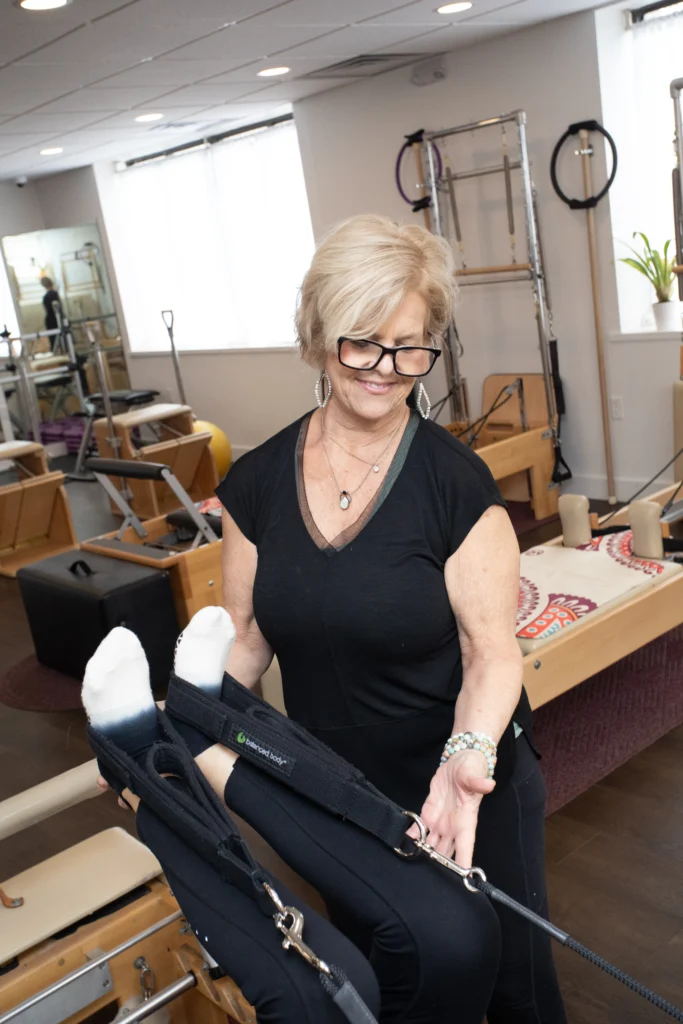
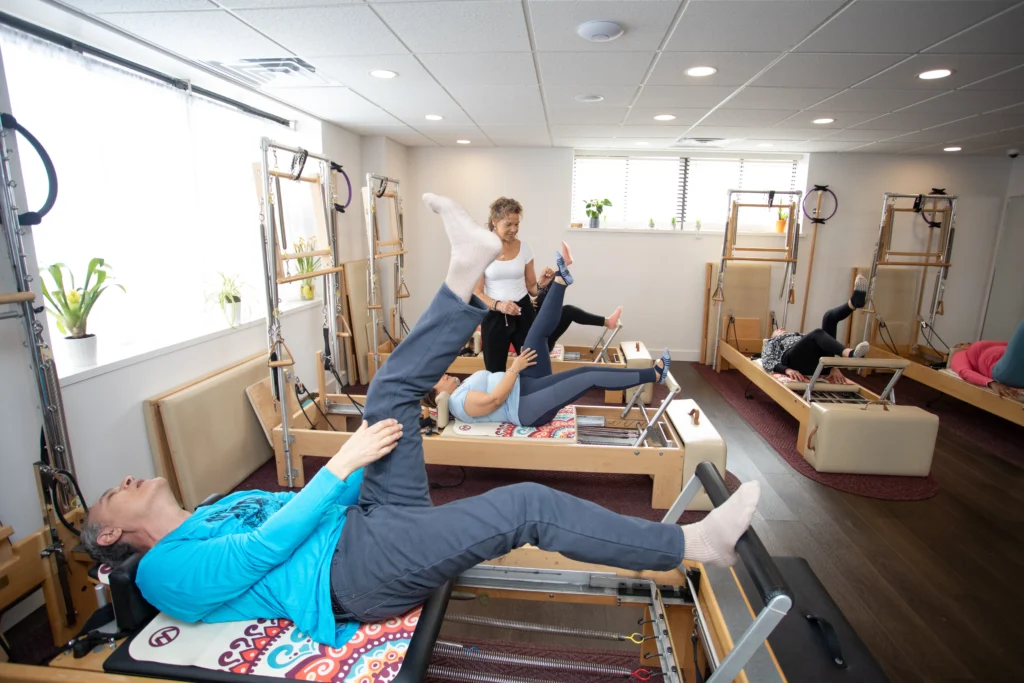
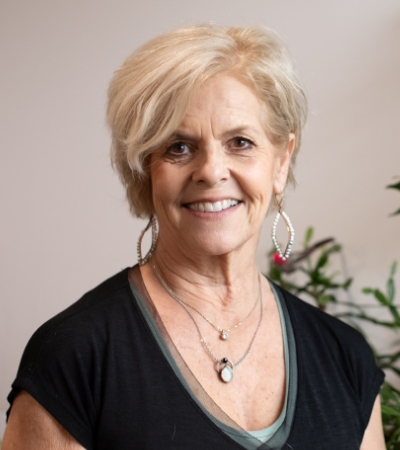
At Medical Arts, we’re proud to have Heather Whitehouse on our team, a skilled Pilates Instructor and Holistic Wellness Practitioner who is passionate about helping clients achieve balance and well-being.
With years of experience in both Pilates and holistic wellness, Heather brings a holistic approach to every session. Her dedication to improving her clients’ overall health is reflected in her personalized programs that focus on strengthening the body, improving posture, and fostering a deeper mind-body connection.
Heather’s philosophy blends traditional Pilates techniques with modern wellness practices, creating a balanced and integrated approach to health. Whether you’re looking to improve your flexibility, recover from injury, or reduce stress, Heather’s expertise in both physical fitness and holistic wellness ensures that each client receives comprehensive care tailored to their needs.
We’re lucky to have Heather as part of our team, offering both group classes and private sessions to help you feel your best from the inside out.
Your Feet Deserve Better
Unlock Comfort with Custom Orthotics
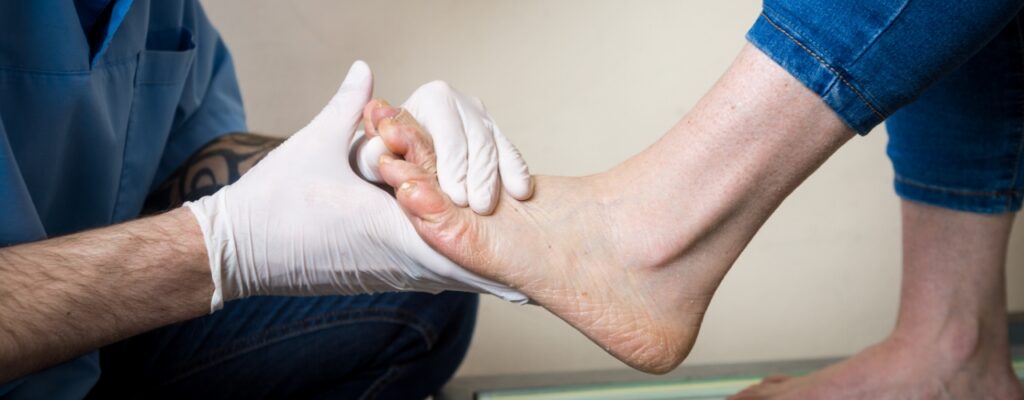
At The Center of Medical Arts, we understand the importance of proper alignment and comfort when it comes to your feet. Our Custom Orthotics are designed to address a variety of foot-related issues and improve your overall mobility.
Orthotics are personalized shoe inserts that correct abnormal foot mechanics, providing support, cushioning, and stability. Whether you’re dealing with foot pain, flat feet, plantar fasciitis, or other conditions, custom orthotics can help alleviate discomfort and enhance your posture.
Each orthotic is made specifically for your unique foot structure and activity level, ensuring the most effective solution. The process begins with a thorough assessment of your feet and gait, followed by the creation of custom molds to provide the ideal fit.
Ready to Begin?
By improving alignment, custom orthotics can also reduce strain on your knees, hips, and lower back, promoting better overall body mechanics. If you’re experiencing foot pain or discomfort, consider speaking with our team about how custom orthotics can help you walk, run, and stand with greater ease.