
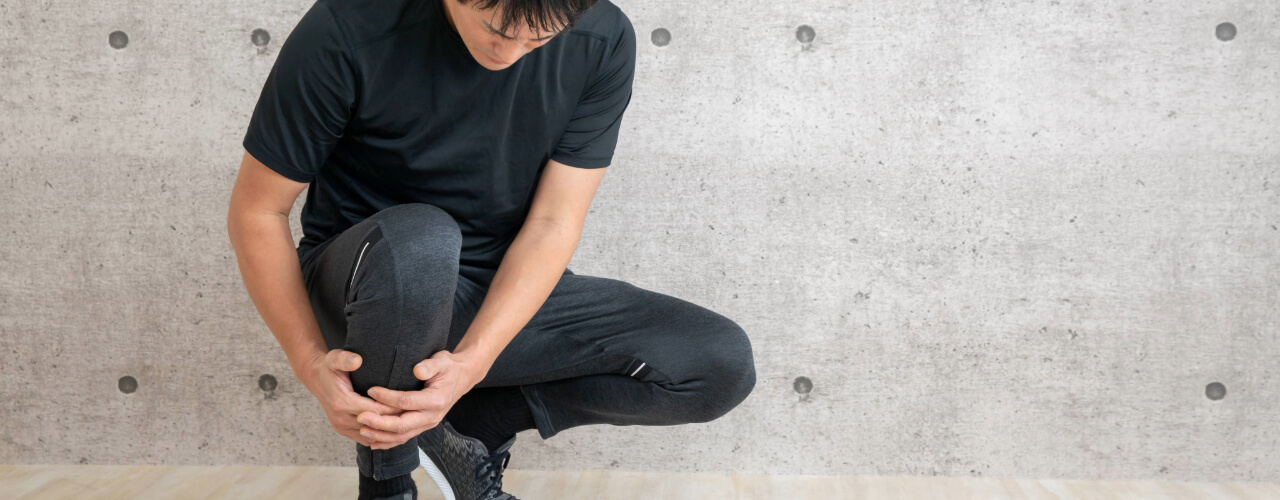
Say Goodbye To Shin Splints Once And For All
Shin splints, a common overuse injury among runners, can quickly derail your training and race goals. This pain along the shinbone can range from mild discomfort to debilitating pain, making it difficult to enjoy your runs. Fortunately, understanding the causes and prevention strategies can help you avoid shin splints altogether, and effective treatment options can get you back on track if they do occur.
Keep reading to learn how physical therapy can treat and prevent shin splints for runners like you.
What Causes Shin Splints?
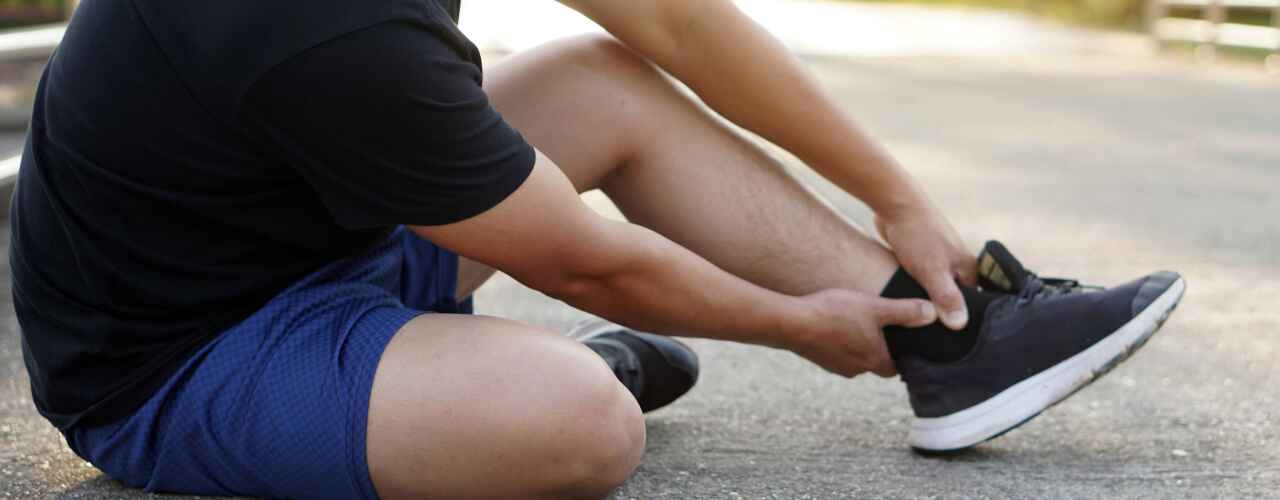
Shin splints, medically known as medial tibial stress syndrome (MTSS), are characterized by pain and tenderness along the inner edge of the shinbone (tibia). Runners are particularly susceptible due to the high-impact nature of the sport and the repetitive stress placed on the lower legs.
Several factors can contribute to the development of shin splints:
Overuse and Overtraining
- Sudden increases in mileage, intensity, or frequency of running can overload the lower leg muscles and tendons.
Running Form and Biomechanics
- Overpronation (excessive inward rolling of the foot) or tight calf muscles (limited ankle dorsiflexion) can affect running mechanics and potentially increase stress on the muscles.
Muscle Imbalances and Weaknesses
- Weak muscles in the feet, ankles, and hips can disrupt proper running mechanics and put extra strain on the shins.
Improper Footwear
- Worn-out can contribute to shin splints by failing to provide adequate cushioning and shock absorption.
Running Surface
- Consistent running on hard surfaces like concrete or asphalt or running on uneven surfaces can increase the impact on the lower legs.
Physical Therapy Treatment For Shin Splints
If you’re already experiencing shin splints, your physical therapist will assess your individual case to pinpoint the specific factors contributing to them. Then, we’ll create a personalized treatment plan designed to facilitate healing and minimize the risk of future occurrences.
Activity Modification
- Temporarily reducing or modifying activities that exacerbate your shin pain.
Manual Therapy
- Utilizing hands-on massage techniques to promote healing and improve tissue mobility in the injured area.
To address underlying muscle weaknesses or imbalances, your physical therapist may guide you through specialized exercises designed to:
Strengthen Hip Muscles
- Enhancing hip rotation, abduction (moving the leg away from the body), and extension (moving the leg backward) to reduce stress on your lower leg.
Improve Foot and Shin Strength
- Targeting the muscles in your arch and shin to help improve overall lower leg stability.
Preventing Shin Splints
Preventing shin splints is key to maintaining a consistent running routine. Your physical therapist will teach you proper techniques and important strategies to prevent shin pain.
Proper Warm-up and Cool-down
- Your physical therapist can teach you specialized exercises and movements to use before and after each run.
Gradual Progression
- Strategically increase your running mileage, intensity, and frequency to allow your body to adapt to the increased workload.
Strength Training
- Incorporate exercises that strengthen the muscles in your feet, ankles, calves, and hips to improve stability and reduce stress on the shins.
Cross-Training
- Include low-impact activities like swimming or cycling in your routine to give your legs a break from the repetitive impact of running.
Proper Footwear
- Invest in well-fitting running shoes that provide adequate support and cushioning for your feet and running style. Replace your shoes regularly to ensure optimal shock absorption.
Vary Running Surfaces
- Alternate between softer surfaces like trails or tracks and harder surfaces like roads to reduce repetitive stress on your shins.
Treatment For Shin Splints At The Center of Medical Arts
Whether you’re looking to treat or prevent shin splints, our team of dedicated physical therapists is here to help! Contact us today to schedule your first appointment.




Leave a Reply