
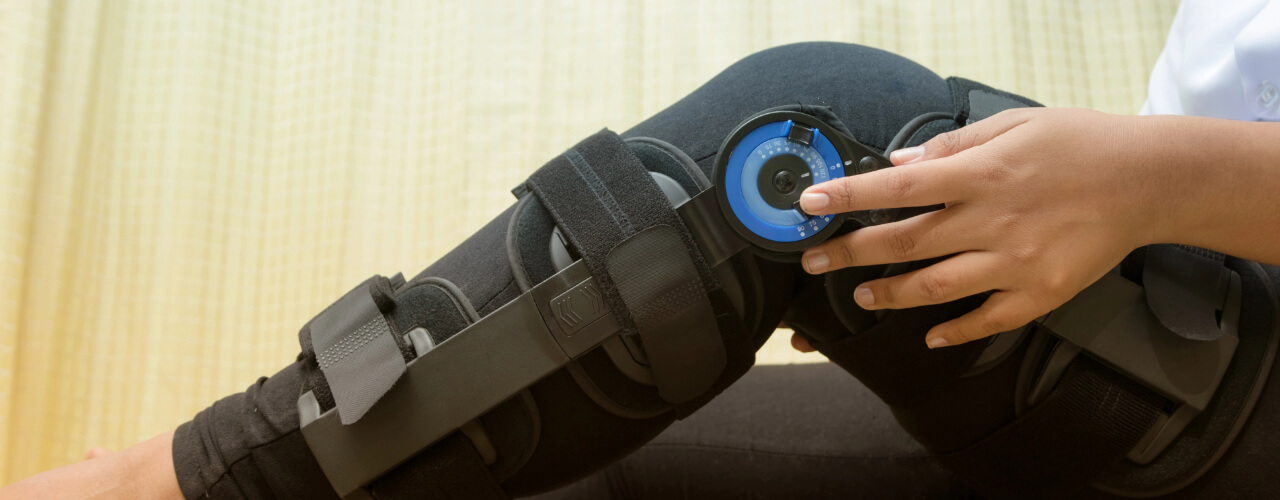
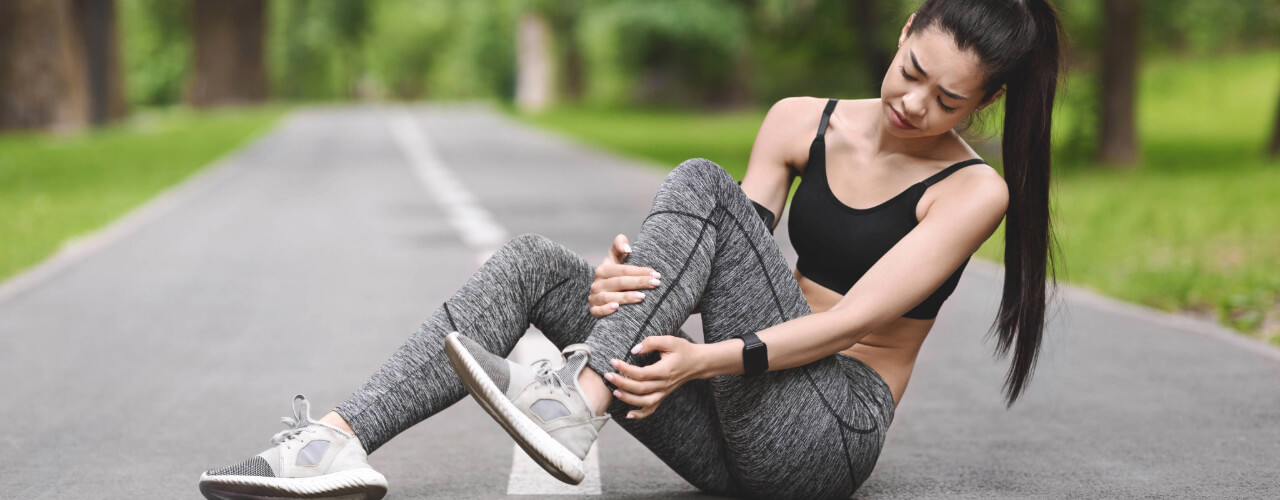
When Emily (not her real name), a high school soccer player, tore her ACL during a crucial game, her dreams of playing college soccer seemed shattered. ACL tear recovery can be a long and challenging process, but with the right approach and support, athletes can return to their sport stronger than ever. At The Center of Medical Arts, Emily discovered the path to a full recovery, guided by research-supported physical therapy treatments.
Why Female Athletes Are More Prone to ACL Tears
Female athletes, like Emily, are more susceptible to ACL tears due to several factors:
Anatomical Differences:
- Women tend to have a smaller intercondylar notch (the space in the knee between the two rounded ends (condyles) of the thigh bone (femur), which makes the knee more susceptible to injury.
Hormonal Influences:
- Fluctuations in estrogen and progesterone levels can affect ligament laxity, making the ACL more vulnerable to injury.
Neuromuscular Control:
- Differences in muscle activation patterns and strength between genders can lead to less knee stability during athletic movements.
Biomechanical Factors:
- Women often exhibit different landing and cutting techniques, which can increase the strain on the ACL.
Understanding these factors is crucial for tailoring an effective ACL tear recovery plan for female athletes.
Emily’s Journey to Recovery
When Emily tore her ACL, the immediate pain and instability were overwhelming. Her parents took her to The Center of Medical Arts in Newington, CT, where a comprehensive evaluation revealed the extent of her injury. The physical therapists developed a personalized treatment plan to address her specific needs and promote healing.
Swelling Control and Initial Management
The first step in Emily’s ACL tear recovery was controlling the swelling. The physical therapists used compression techniques and manual therapy to reduce inflammation and pain. These methods helped prepare Emily’s knee for the next phases of rehabilitation by improving circulation and minimizing discomfort.
Restoring Motion and Flexibility
Regaining full range of motion of her knee was essential for Emily’s recovery. The therapists implemented gentle stretching and mobilization exercises to restore her knee’s flexibility. This phase ensured that scar tissue did not form and that Emily’s knee could move freely without restriction.
Motor Control and Proprioception Training
Motor control exercises played a vital role in retraining Emily’s muscles to support her knee properly. These exercises focused on improving the coordination and timing of muscle activation, which is essential for knee stability. Proprioception training, which enhances the body’s ability to sense its position in space, was also crucial. The therapists used various techniques to improve Emily’s balance and proprioception, reducing the risk of re-injury.
Strengthening and Coordination Exercises
Strengthening exercises targeted the muscles around Emily’s knee, particularly the quadriceps, hamstrings, and glutes. Strong muscles are essential for supporting the knee joint and preventing further injury. The therapists introduced progressive resistance exercises to gradually build strength and stability.
Coordination exercises were integrated into Emily’s rehabilitation to ensure her knee could handle the dynamic movements required in soccer. These exercises helped Emily regain confidence in her knee’s ability to perform complex tasks.
Sport-Specific Exercises and Functional Training
As Emily progressed, sport-specific exercises became a focal point of her rehabilitation. These exercises mimicked the movements she would perform on the soccer field, such as cutting, pivoting, and jumping. This phase ensured that her knee could withstand the demands of her sport.
Functional training included activities that simulated game scenarios, helping Emily prepare for her return to competition. The therapists monitored her progress closely, adjusting the exercises as needed to ensure continuous improvement.
ACL Tear Recovery: Rehabilitation and Return to Activity
The science behind ACL tear recovery is well-supported by research, demonstrating the effectiveness of a comprehensive, individualized approach. By focusing on swelling control, restoring motion, motor control exercises, strengthening, proprioception training, coordination, and sport-specific exercises, Emily was able to achieve a full recovery.
Call Today to Take Control of Your Recovery!
Emily’s story is a testament to the power of professional care and tailored rehabilitation programs. At The Center of Medical Arts, we understand the challenges of ACL tear recovery and are committed to helping athletes return to their sport stronger and more resilient.
If you or someone you know is dealing with an ACL injury, don’t wait to seek professional help. Contact us today to schedule an appointment with our experienced physical therapists. Let us guide you through a comprehensive recovery program and help you achieve your athletic goals. Start your ACL tear recovery now and confidently return to the activities you love!




Leave a Reply