How to Relieve Your Sciatica Pain with Physical Therapy
Are you experiencing the following symptoms?
- Burning or “electric” pain that radiates from your lower back down through your leg
- Numbness, tingling, or a pins and needles sensation in your back or leg
- A sense of weakness or heaviness in your leg
If so, you may have developed sciatica, which isn’t so much a condition in and of itself as it is a sign of something else, such as a herniated disc or issues with your spine. It develops when the sciatic nerve–a major nerve that runs from your lower back all the way down to your feet–becomes pinched or irritated in some way.
Sciatica is a somewhat misunderstood term. Some people use it to describe any pain or discomfort in the lower half of your body. But true sciatica is a neuropathy that affects the sciatic nerve, and to address it, you need to resolve the underlying source of irritation to the sciatic nerve.
Fortunately, the physical therapists at The Center of Medical Arts can help you do exactly that! Today, we want to give you a glimpse of the process we use when addressing sciatica and sciatic pain.
Patient Sucess
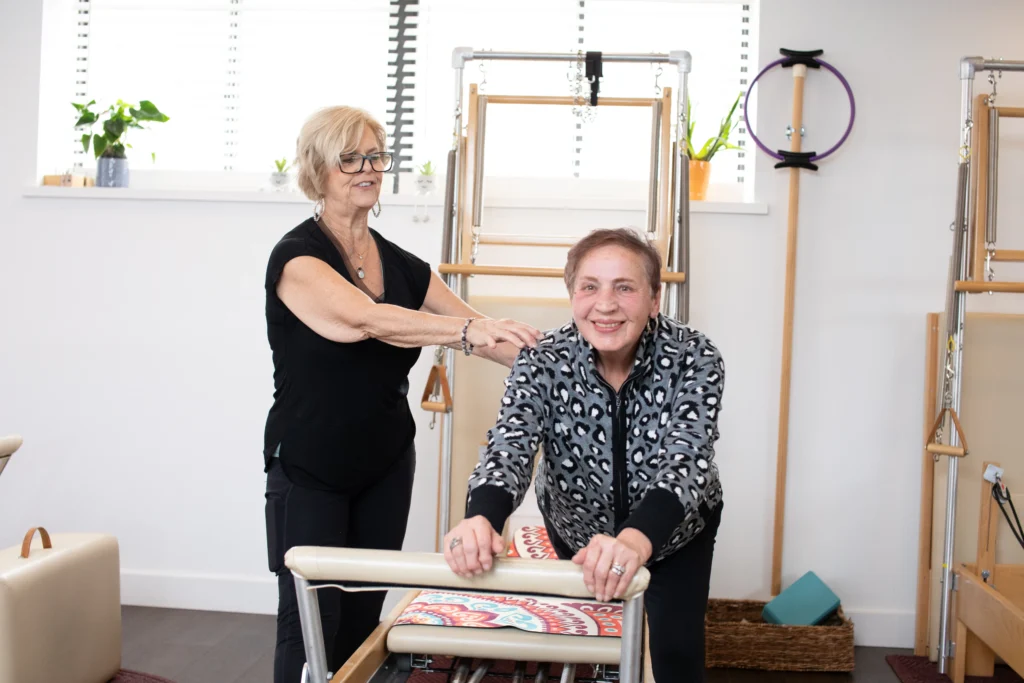
“Had a great Saturday morning class with Muna! She cares about form and precision and makes sure you are comfortable while working hard. The machines are adjustable to cater to beginner levels, and the environment is very welcoming and private. Definitely recommend :)” – Juliana M.
Step 1: Confirm Sciatica and Uncover the Cause
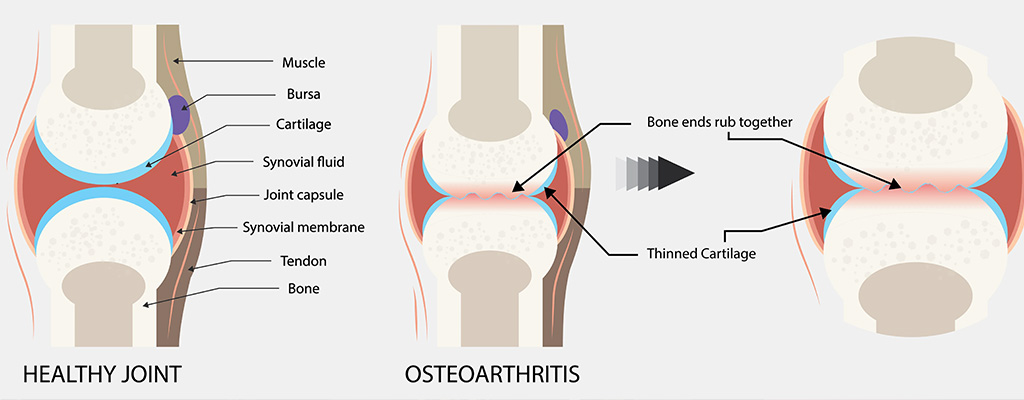
When you visit us for your first appointment, we’ll begin by confirming that the discomfort in your lower extremity actually involves the sciatic nerve at all. Other conditions can cause sciatica-like symptoms, such as spinal osteoarthritis or piriformis syndrome.
If we confirm that your sciatic nerve is impaired, our next step is figuring out why. By far, the most common cause of sciatica is a herniated disc, which occurs when an intervertebral disc bulges and presses against the sciatic nerve. Less commonly, spinal stenosis (a narrowing of the spinal canal) can irritate the sciatica nerve, as can damage from osteoarthritis.
Step 2: Develop a Treatment Plan
Once we know why you’ve developed sciatica, we’ll work to develop a treatment plan to address that underlying cause. Fortunately, physical therapy is the preferred method for treating most of the common causes of sciatic pain.
If your sciatica results from a herniated disc, we’ll help you reduce your pain and facilitate your recovery. Herniated discs will generally resolve within 2-8 weeks, and regular physical therapy can help speed up that process. You can expect the following:
- A drug-free pain management plan utilizing manual therapy, movement modifications, and pain-relieving modalities
- Targeted mobility exercises to free up restrictions in your spine
- Postural corrections to remove pressure from the herniated disc
- Strengthening exercises, particularly in your core, to help stabilize and support the spine
- A return-to-activity schedule to ensure you don’t reinjure yourself
If your sciatica results from spinal stenosis or arthritis, we’ll focus on helping to relieve the pressure from your sciatic nerve. Treatment will generally resemble what we do for herniated discs, including pain management, mobility work, and strengthening exercises, adapting them as needed.
Step 3: Prevent Future Bouts of Sciatica
Once we’ve helped resolve your sciatica, we also want to help prevent it from occurring again. We’ll provide you with the guidance you need to stay pain-free. Here are a few sciatica prevention tips to get you started:
- Use proper lifting techniques. We’ll show you what you need to know.
- Improve your posture, which means keeping your spine in alignment. Our PTs can show you how!
- Avoid prolonged postures, especially prolonged sitting. If you have a desk job, get up and move around every 30 minutes or so. If you have a job that requires you to stand in one position for an extended period, take breaks and switch up how you’re standing (such as shifting your weight back and forth).
- Get moving! A regular exercise routine will help keep your back and core muscles strong. Our physical therapists can suggest specific exercises and workout options to ensure you stay active even after finishing physical therapy.
Say Goodbye to Sciatica Pain
If you suspect you’re dealing with sciatica, call the team at The Center of Medical Arts to make an appointment. We can let you know for certain and guide you to lasting pain relief–whether or not your sciatic nerve is to blame.
Pilates: A Great Way to Strengthen Your Core
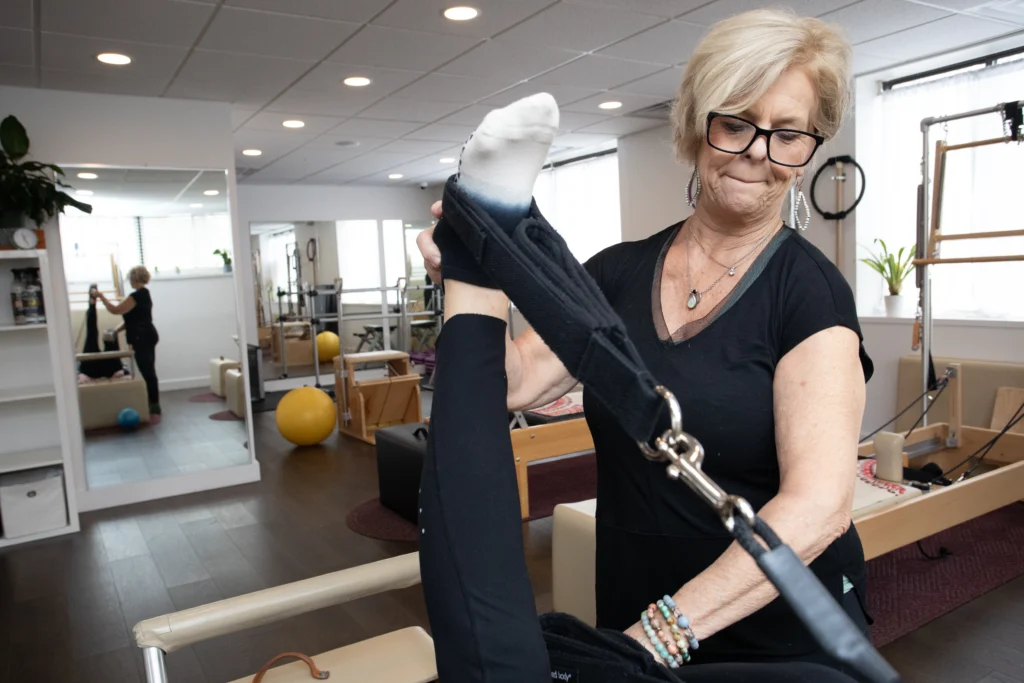
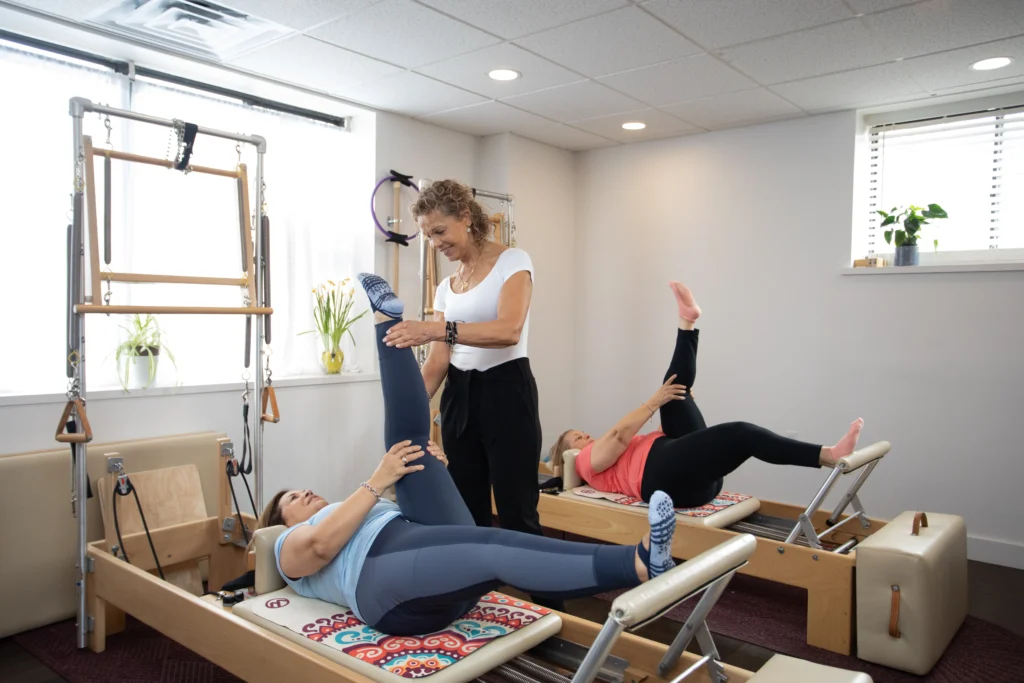
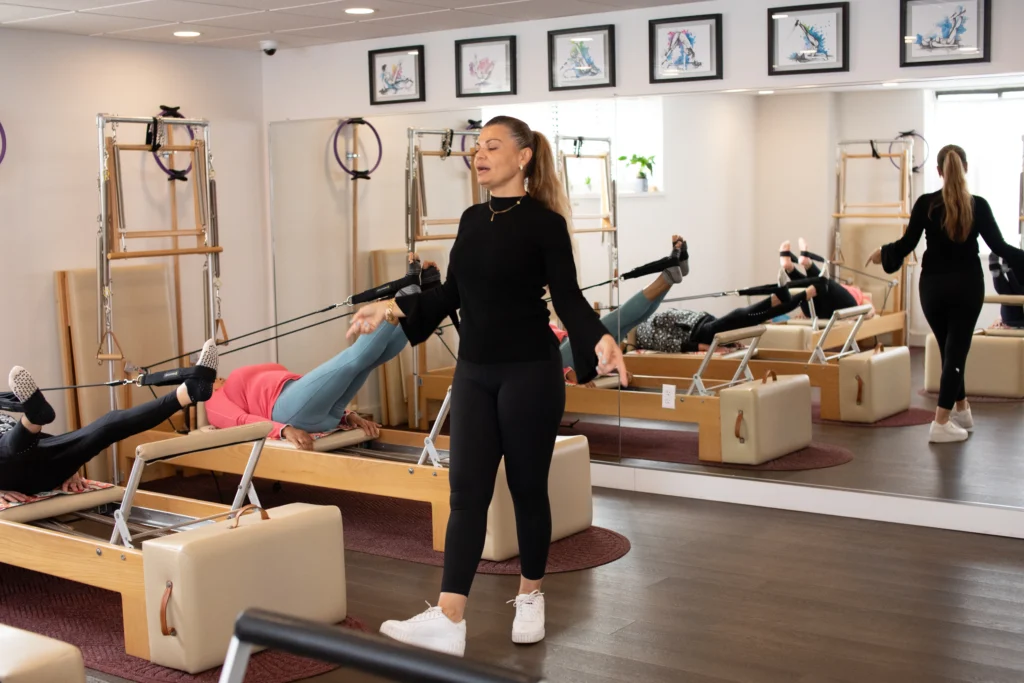
At The Center of Medical Arts, we frequently include “core strengthening” as part of our therapeutic exercise plans, and for good reason: a strong core can help reduce back pain, improve your balance and posture, and ensure your entire body moves effectively.
While there are multiple ways to improve core strength, one that we want to highlight today is Pilates. This unique approach to exercise was first developed during World War II and then rose to prominence among New York City dancers in the 1950s. It’s now a staple in fitness centers throughout the world.
Five Reasons Why We Love Pilates So Much
- It’s a “mind-body” exercise that incorporates stretching and breathing exercises alongside strengthening exercises, adding a stress-relieving quality to your workout.
- It targets your deep core muscles–the muscles most responsible for stabilizing your spine, reducing back pain, and improving your posture.
- It helps improve your body awareness (proprioception), a key factor in preventing falls and injuries (alongside core strength).
- With a little instruction and the occasional modification, Pilates is appropriate for almost everyone, including pregnant women, people working through rehab, and those just starting to get active.
- It’s low-impact yet challenging. Most exercises work by asking you to move your limbs as you hold your body in a specific shape, helping all the parts of your body work together.
Curious About Pilates? Let’s Find the Right Fit for You at The Center of Medical Arts
Want to get started with Pilates? Schedule an appointment with the team at The Center of Medical Arts. We can let you know if Pilates is the right fit for you, offer modification suggestions as needed, and guide you through some of the most common exercises.
Recipe of the Month: Blueberry Muffin Bread

Ingredients:
- 2 cups (250g) all-purpose flour (spooned & leveled)
- 1 teaspoon baking soda
- 1 teaspoon baking powder
- 1/2 teaspoon salt
- 1/2 cup (8 Tbsp; 113g) unsalted butter, softened to room temperature
- 2/3 cup (135g) granulated sugar
- 1/4 cup (50g) packed light or dark brown sugar
- 2 large eggs, at room temperature
- 1/2 cup (120g) sour cream, at room temperature
- 1 and 1/2 teaspoons pure vanilla extract
- 1/3 cup (80ml) milk, at room temperature
- 1 and 1/2 cups (210g) fresh blueberries
- Optional: 2 Tablespoons blueberry jam and/or crumb topping
Instructions:
- Adjust the oven rack to the lower third position and preheat the oven to 350°F (177°C). Grease a 9×5-inch loaf pan or coat with nonstick spray. Set aside.
- Whisk the flour, baking soda, baking powder, and salt together in a large bowl.
- Using a handheld or stand mixer fitted with a paddle or whisk attachment, beat the butter, granulated sugar, and brown sugar together on high speed until smooth and creamy, about 2 minutes. On medium speed, add the eggs one at a time, beating well after each addition. Beat in the sour cream and vanilla extract on medium speed until combined. With the mixer running on low speed, add the dry ingredients and milk into the wet ingredients and beat until no flour pockets remain. Fold in the blueberries.
- Spoon the batter into the prepared baking pan. Bake for 60-65 minutes, loosely covering the bread with aluminum foil at the 30 minute mark to help prevent the top and sides from getting too brown. A toothpick inserted in the center of the loaf will come out clean when the bread is done. Remove from the oven and allow the bread to cool completely in the pan set on a wire rack.
- Cover and store bread at room temperature for 2 days or in the refrigerator for up to 1 week.
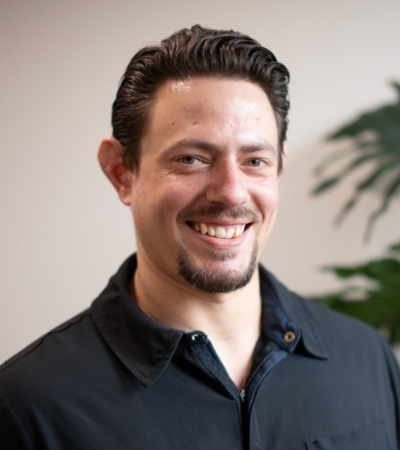
Staff Spotlight: Curtis Steen, PTA, LMT, CPT
Meet Curtis Steen, a valued member of The Center of Medical Arts team! With over 14 years of experience as a licensed massage therapist and certified personal trainer, Curtis brings a unique and well-rounded perspective to rehabilitation and recovery.
As a physical therapist assistant, Curtis works closely with our PTs to support each patient’s personalized care plan. He also incorporates his massage therapy expertise to help reduce pain, improve mobility, and promote healing—enhancing outcomes for patients of all ages and activity levels.
Outside of the clinic, Curtis enjoys staying active through exercise and finds creative expression through playing music.
Whether he’s helping patients move better or making music, Curtis brings passion, dedication, and a caring touch to everything he does!
Spotlight on Pilates Rehab: A Mind-Body Approach to Recover
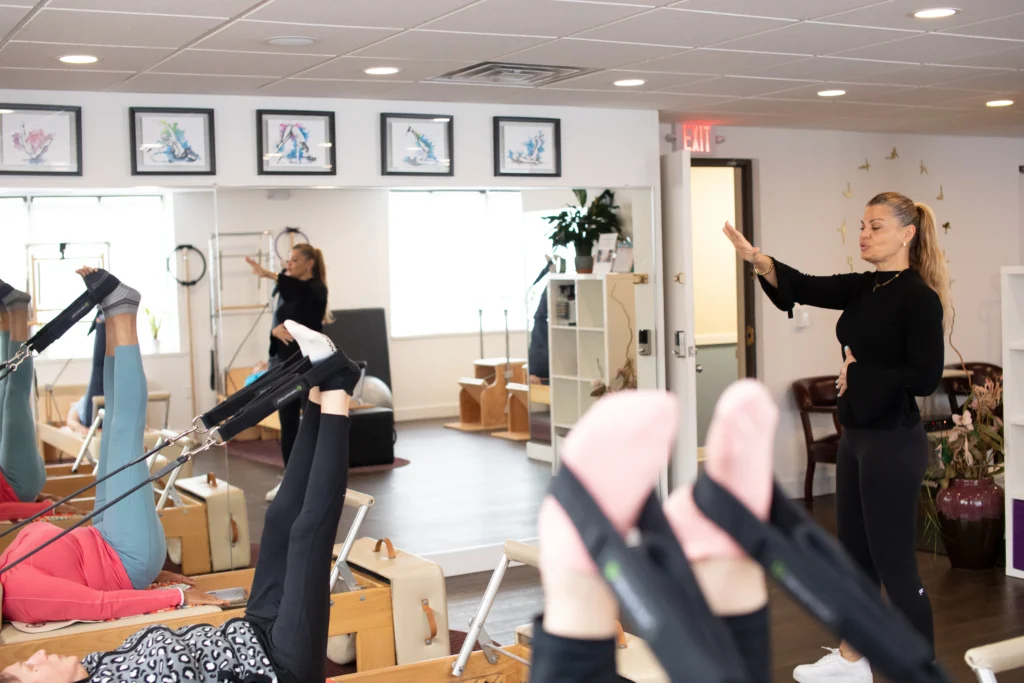
Did you know Pilates was originally created as a form of rehabilitation? Developed during World War I to help injured soldiers regain strength and mobility, Pilates has evolved into a trusted tool for healing, movement, and wellness. At The Center of Medical Arts in Newington, CT, we’re proud to offer Pilates Rehab as part of our comprehensive, function-based physical therapy programs.
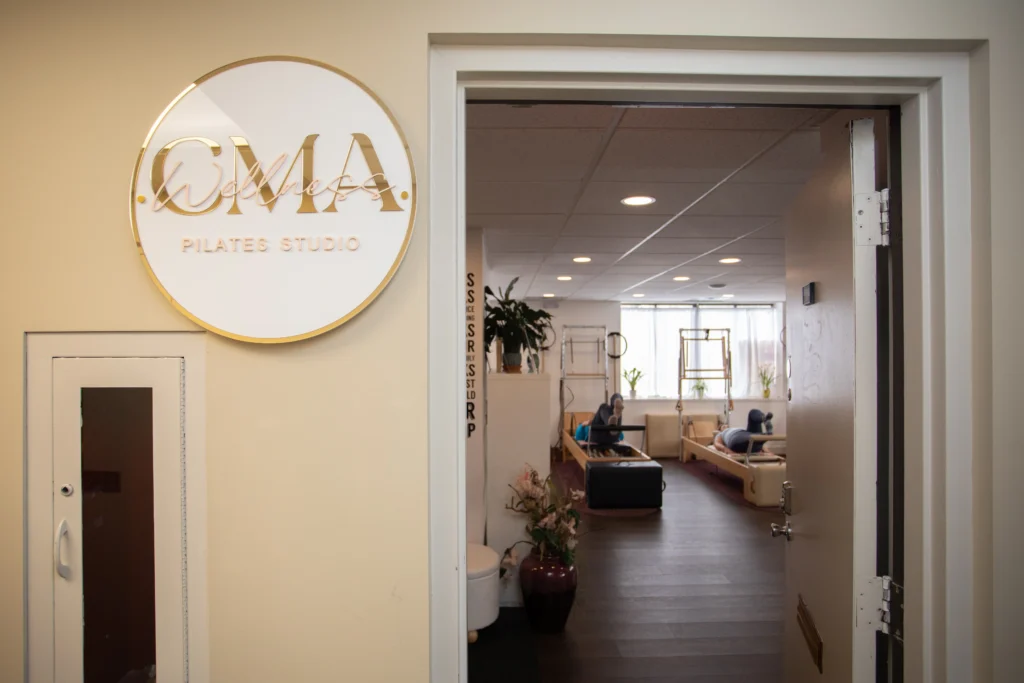
Our state-of-the-art Pilates studio features six Reformer/Tower combination units, three MVE chairs, six spine correctors, six TRX suspension systems, and a variety of supportive props including rings, bands, and hand weights. These tools allow us to tailor sessions for your unique needs—whether you’re recovering from surgery, managing chronic pain, or building strength and balance.
Pilates and Physical Therapy: A Perfect Pair
More than just a fitness trend, Pilates is deeply rooted in rehabilitation. That’s why our physical therapists often incorporate Pilates into treatment plans for:
- Prenatal and postpartum care
- Joint replacement recovery
- Shoulder, neck, and spinal injuries
- Post-surgical rehab
- Scoliosis management
Pilates strengthens muscles, reinforces postural alignment, and enhances coordination—all while encouraging mindful breathing for stress relief. It’s a full-body, low-impact method that supports lasting recovery and long-term wellness.
A Holistic Path to Healing
At The Center of Medical Arts, we focus on treating the whole person—not just the pain. Pilates’s emphasis on core stability makes it a key part of our mission to help you regain balance, improve movement, and live pain-free.
Ready to Begin?
Whether you’re new to Pilates or returning after an injury, our experienced team is here to guide your journey.
Request an appointment today and start your path to better movement and health.