How Physical Therapy Can Help You Get Active
Are you having trouble sleeping? Is getting up off the floor harder than it used to be? Do you want an all-natural approach to managing stress? There’s a simple solution that can help address all of these concerns and more: physical activity!
It’s no secret that regular exercise is good for you. Studies repeatedly show that it offers a wealth of benefits, and that’s especially true as you age. Exercise can…
- Reduce your risk of heart disease and other chronic conditions
- Help you stay mobile and independent
- Build muscle and bone mass
- Elevate your mood and improve cognitive function
Unfortunately, many people struggle to get more movement in. For younger people, finding the time may be an issue. For older people, joint pain and restricted mobility can make regular exercise feel out of reach.
At The Center of Medical Arts, we’re passionate about helping people move more. We understand the many challenges that can make physical activity difficult, and we’ll work closely with you to find an exercise program that suits your needs, interests, and abilities.
Today, we want to share the stories of two patients with you (their names have been changed). Both patients started in similar places but wound up on very different journeys–showing just how important a little physical activity can be.
Patient Success
“I am currently receiving therapy for my knee, and the techniques used here have been remarkably effective. After just three sessions, I have experienced significant relief, with my pain decreasing from a 7 to a 3 on a scale of 10. The ambiance of the center is both relaxing and calming. The therapists are welcoming and skilled, combining a strong yet gentle approach with a friendly demeanor. Their ability to create a fun and enjoyable environment always brings laughter and positivity to each session. I highly recommend this center and have already referred friends and family to seek their services.” – Ashley
The Starting Point: Lower Back Pain
Donna and Linda were remarkably similar. Both women were in their mid-40s. Neither had been particularly athletic, although they tried to exercise when they could. And both of them stopped exercising altogether when they developed back pain.
Both women first visited us to see if we could help them manage their pain. Donna had strained her back muscles due to an injury she sustained while moving heavy furniture. Linda’s back pain stemmed from a herniated disc resulting from postural habits at her desk job.
We provided both women with two-month treatment plans designed to reduce their pain and improve the strength and function of their backs. Both women completed their respective programs. But that’s where their paths diverged.
The Next Step: Staying Active
Linda enjoyed working through the targeted exercise program we developed for her. Even though her job was very sedentary (she spent all day on a computer), she always felt tired and worn out at the end of the day. However, completing her home exercise program boosted her energy.
When she finished her treatment program, she asked if we had any tips for exercise programs that might help her stay active. She had a few requirements:
- She wanted the program to feel fun, not punishing.
- She wanted something she could do at home since she had limited time to drive to a gym.
- She wanted to track her improvement, just as she had in PT.
We were delighted to help! After talking to Linda about the exercises she enjoyed, we developed a walk/run program tailored to her current abilities. It also met all of her requirements.
As for Donna, we didn’t see her again for another five years when she came in with another injury.
Five Years On: What’s the Difference?
While Donna did keep up with her physical therapy, staying active beyond that was a struggle for her. She had a family and a stressful job with long hours, so she had limited free time to exercise. While she did attend the occasional exercise class, she didn’t do it frequently enough to meet the CDC’s recommendation of 150 minutes of exercise a week.
Unfortunately, Donna continued to struggle with joint pain. She visited us due to a hip injury, but she noted that she frequently experienced mysterious aches and pains throughout her body. Because of the pain, she often struggled to get enough sleep, which had an impact on her overall health and well-being.
We also saw Linda five years out from that initial session, after she sustained a mild running injury. The injury aside, Linda was doing great–she didn’t struggle with mysterious joint pain, her sleep was great, and she’d gotten excellent blood work results from the doctor.
Let Us Help You Get Active Today
Being physically active is one of the best ways to uncover improved health and wellness, and it’s often easier than you might expect. The key is finding activities you enjoy that you can work into your schedule–and that’s one place where we can provide some guidance. Ready to get started? Call The Center of Medical Arts to schedule an initial consultation!
Concussion Care: A Guide to Safer Play and Effective Recovery
If you have a young athlete in your life, then you’re probably aware that concussions can pose a significant risk to their health and well-being. A hard tackle in a football game, a slip on the ice during a hockey match, or an incorrectly performed soccer head check: all can potentially lead to a concussion.
Concussions are classified as “mild” traumatic brain injuries, which has made some people think they’re less serious than they are. In reality, “mild” in this context merely means non-life-threatening. Concussions can actually cause a range of physical, emotional, and cognitive symptoms. If left untreated, they can lead to long-term memory, mood, balance, and performance issues.
That’s why we take concussions seriously at The Center of Medical Arts. With a full-time practitioner dedicated to concussion care and a multidisciplinary team offering various treatment options, we’re committed to helping athletes of all ages recover fully and return to activity safely.
How We Help Prevent and Manage Concussions
We take concussions seriously at The Center of Medical Arts. Here are just a few of the unique benefits we offer:
Baseline Testing
Baseline testing measures an athlete’s normal brain function before an injury occurs. We encourage athletes to have a baseline test performed before the start of the season. That way, if you suffer an injury, we can more easily determine if you have a concussion, how it’s affecting you, and when it’s safe to return to play.
This is especially important for high school athletes, who may be more prone to repeat concussions if they return too soon.
Full-Time Concussion Practitioner
We have a full-time practitioner on staff who understands the complexities of concussion care. This allows us to provide comprehensive concussion services, including the following:
- Post-injury assessment and re-testing
- Symptom tracking and education
- Return-to-school and return-to-play planning
- Coordination with coaches, teachers, and parents
Preseason Prevention
Concussions don’t have to be an inevitability. While there’s no way to prevent all concussions, you do have options for reducing risk. Before fall sports start up, spend some time on preseason concussion prevention with our team. Some of the techniques we might utilize include:
- Neck strength and stability training
- Education on safe play techniques
- Mobility and balance work to reduce falls and impacts
An Integrated Approach to Care
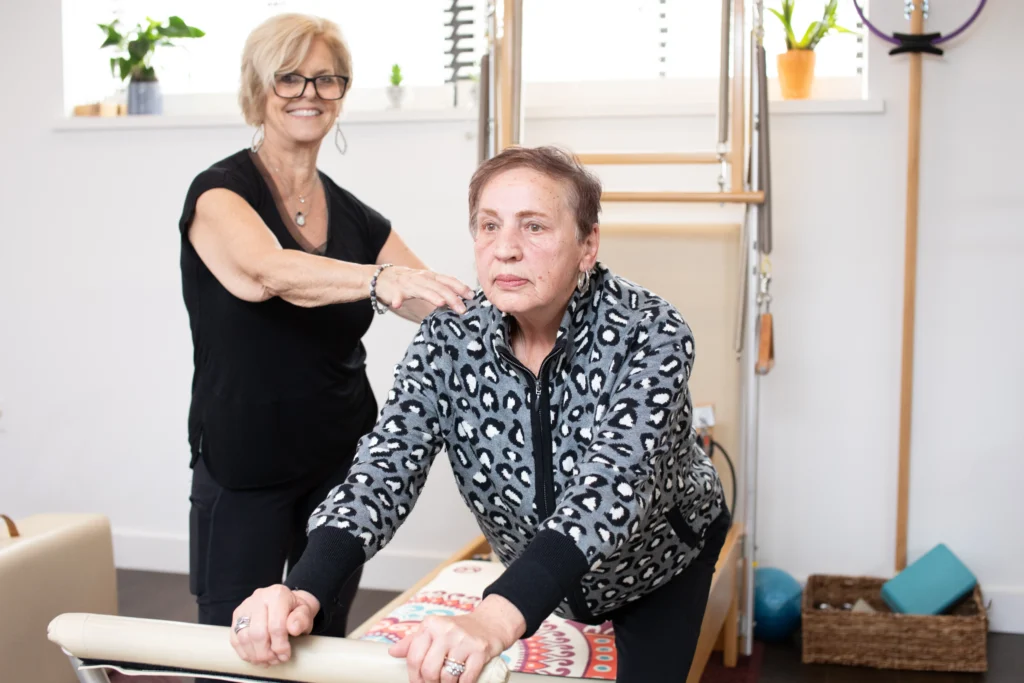
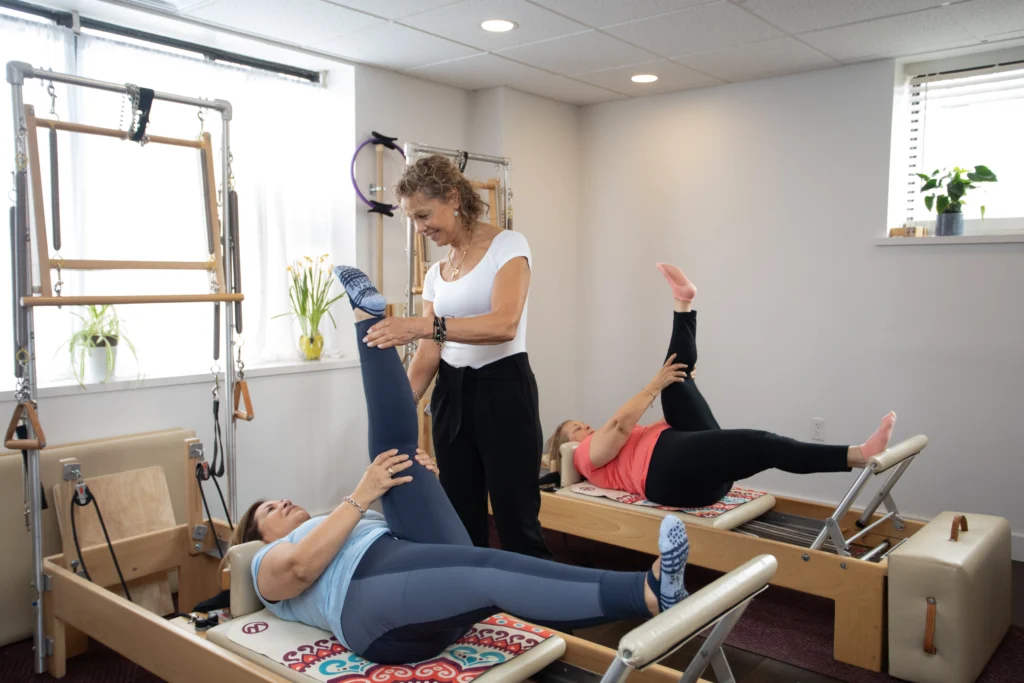
Concussion recovery can affect multiple areas, such as vision, balance, movement, mood, and memory. Our integrated team blends physical therapy, massage therapy, and other modalities to provide comprehensive concussion treatment programs.
For example, a massage therapist can help relieve headaches, while a physical therapist can guide you through a progressive, monitored exercise program.
Get Started on Concussion Prevention Today
It’s always a good time for high school athletes to start thinking about concussion prevention. But even active adults can benefit from baseline testing and other concussion prevention services!
Schedule an appointment with The Center of Medical Arts to learn more about your options.
Recipe of the Month: Peanut Butter Spider Cookies

Ingredients:
- ½ cup shortening
- ½ cup peanut butter
- ½ cup packed brown sugar
- ½ cup white sugar
- 1 large egg, beaten
- 2 tablespoons milk
- 1 teaspoon vanilla extract
- 1 ¾ cups all-purpose flour
- 1 teaspoon baking soda
- ½ teaspoon salt
- ¼ cup white sugar for rolling
- 24 chocolate candy spheres with smooth chocolate filling (such as Lindt Lindor Truffles), refrigerated until cold
- 48 decorative candy eyeballs
- ½ cup prepared chocolate frosting
Instructions:
- Preheat the oven to 375 degrees F (190 degrees C). Line baking sheets with baking parchment.
- Beat shortening, peanut butter, brown sugar, and 1/2 cup white sugar together with an electric mixer in a large bowl until smooth. Beat egg into the creamy mixture until fully incorporated. Stir milk and vanilla extract into the mixture until smooth.
- Mix flour, baking soda, and salt together in a small bowl; add to peanut butter mixture in the large bowl and stir until completely incorporated into a dough. Divide and shape dough into 48 balls.
- Spread 1/4 cup white sugar into a wide, shallow bowl. Roll dough balls in sugar to coat and arrange about 2 inches apart onto prepared baking sheets.
- Bake in preheated oven until golden brown, 10 to 12 minutes. Remove cookies from oven and quickly press a dimple into the middle of each cookie using the blunt end of a wooden spoon. Cool cookies on sheets for 10 minutes before transferring to a wire cooling rack to cool completely.
- Cut each chocolate sphere into two hemispheres. Put one piece atop each cookie with the rounded side facing upwards.
- Spoon frosting into a pastry bag with a small round tip or a plastic freezer bag with one end snipped off. Dab a small amount of frosting onto the back of each candy eyeball and stick two onto each chocolate candy to resemble eyes. Then pipe frosting in four thin lines, starting at the base of the candy, on each side atop the cookie to resemble spider legs.
- Let frosting harden at room temperature, about 30 minutes. Store cookies in an airtight container.

Staff Spotlight: Beth Goodman
Licensed Massage Therapist
Beth Goodman has been a full time practicing therapeutic licensed massage therapist since 1992 and esthetician since 1994. She holds a BS in psychology and sociology which helps her work with medically complex patients. She loves being part of the unique holistic team assembled at CMA and looks forward to bringing high quality deep tissue body work to her clients.
Your Feet Deserve Better
Unlock Comfort with Custom Orthotics
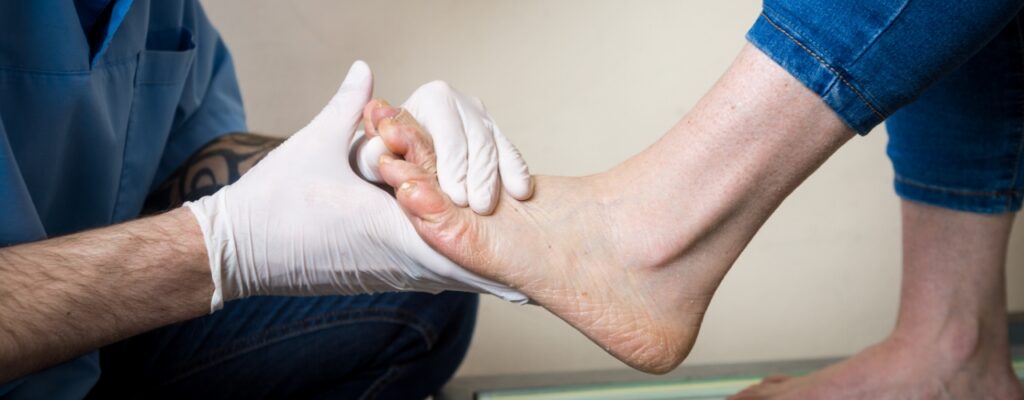
At The Center of Medical Arts, we understand the importance of proper alignment and comfort when it comes to your feet. Our Custom Orthotics are designed to address a variety of foot-related issues and improve your overall mobility.
Orthotics are personalized shoe inserts that correct abnormal foot mechanics, providing support, cushioning, and stability. Whether you’re dealing with foot pain, flat feet, plantar fasciitis, or other conditions, custom orthotics can help alleviate discomfort and enhance your posture.
Each orthotic is made specifically for your unique foot structure and activity level, ensuring the most effective solution. The process begins with a thorough assessment of your feet and gait, followed by the creation of custom molds to provide the ideal fit.
Ready to Begin?
By improving alignment, custom orthotics can also reduce strain on your knees, hips, and lower back, promoting better overall body mechanics. If you’re experiencing foot pain or discomfort, consider speaking with our team about how custom orthotics can help you walk, run, and stand with greater ease.